Colour · language · computation
The Purpur–purple inequality.
The German Purpur and the English purple look like direct translations. Their colours, however, are not quite the same.
Read the original paperThe question
One word family, two chromatic centres.
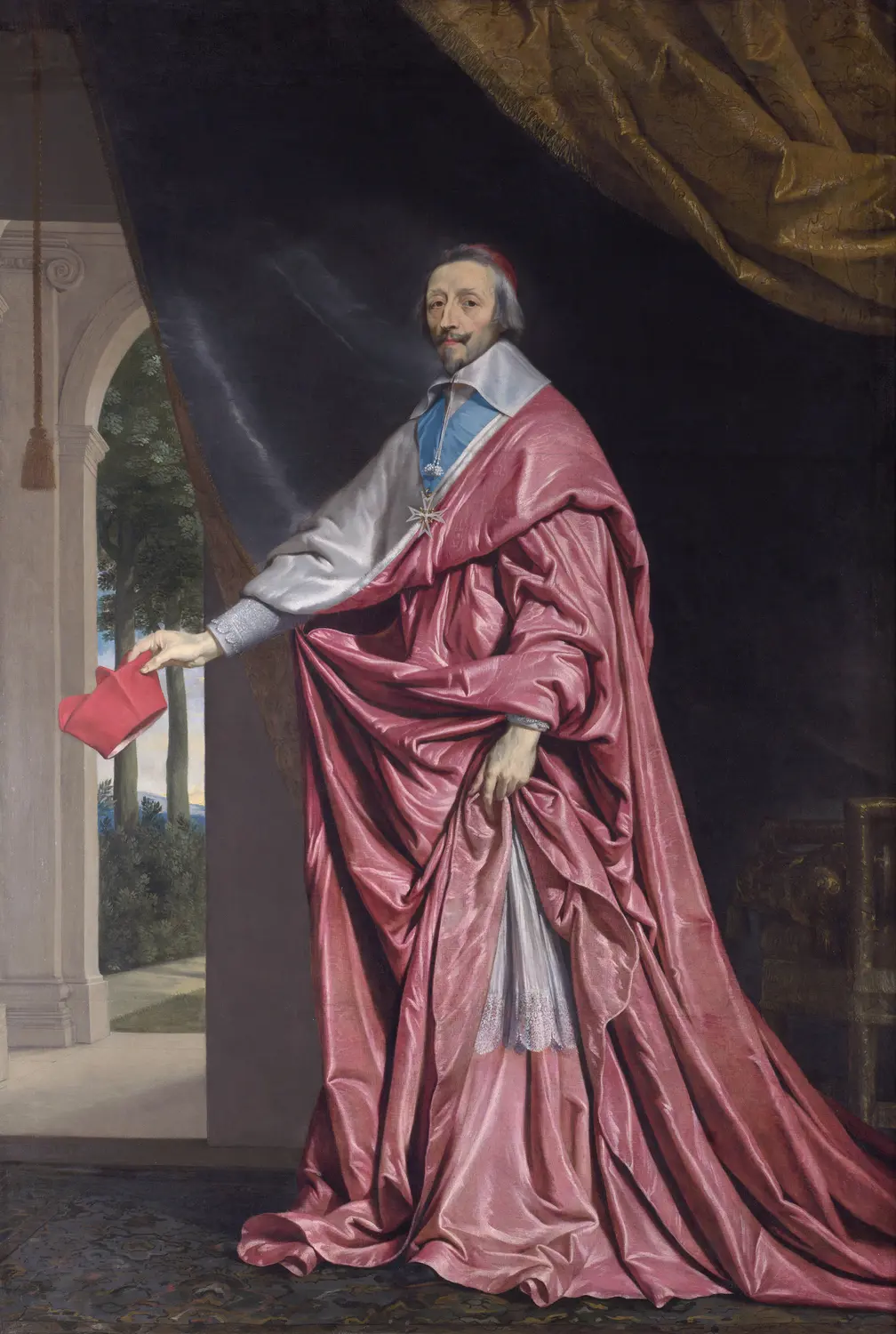
Goethe used Purpur repeatedly in his Farbenlehre. Charles Eastlake’s influential English translation often rendered it not as purple, but as red.
That is not simply a translator’s eccentricity. Historical references—from Roman purpureus to cardinals’ robes and coronation garments—place the German colour family closer to red. Modern English purple, by contrast, occupies a noticeably bluer region.
The observation opens a larger question from linguistic relativity: how can we compare what colour words refer to across languages without relying only on introspection?
The method
Using image search as a linguistic measuring instrument.
Search results turn a word into a sample of images. Their colour distributions can make the word’s typical hue empirically visible.
- 01Collect image-search results for each colour term.
- 02Extract dominant hues from the image sample.
- 03Compare the distributions in a circular colour space.
The result